
Hit-and-run accidents present unique legal and practical challenges for drivers in Ohio. Unlike typical car accidents where all parties remain at the scene to exchange information, a hit-and-run involves one driver leaving without providing identification or assistance. This can complicate everything from reporting the incident to pursuing compensation for damages.
At Gioffre Schroeder & Jansky Co., L.P.A. understands the legal framework surrounding hit-and-run cases is an important part of helping individuals navigate the aftermath of an accident.
What Is a Hit-and-Run Accident?
A hit-and-run accident occurs when a driver involved in a collision leaves the scene without stopping to fulfill legal obligations. These obligations typically include:
- Providing contact and insurance information
- Checking on injured parties
- Reporting the accident when required
Hit-and-run incidents can involve:
- Vehicle-to-vehicle collisions
- Accidents involving pedestrians or cyclists
- Damage to parked vehicles or property
Regardless of the severity, leaving the scene without proper action can have legal consequences under Ohio law.
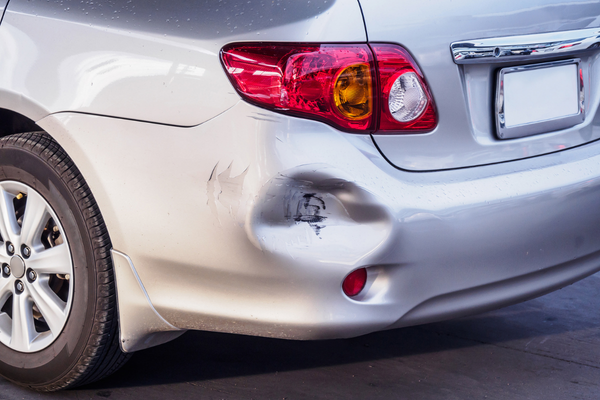 Legal Duties of Drivers in Ohio
Under Ohio’s Law, drivers involved in an accident are required to stop and remain at the scene. They must provide identifying information and, if necessary, render reasonable assistance to anyone who may be injured.
Failing to meet these obligations may result in criminal charges. The seriousness of the charge can vary depending on factors such as:
- Whether the accident caused injury or death
- The extent of property damage
- Whether the driver can later be identified
These legal duties are designed to ensure accountability and provide support to those affected by an accident.
Why Hit-and-Run Cases Are More Complex
Hit-and-run cases differ from other accident claims primarily because one party is initially unknown. This creates several challenges.
Identifying the Driver
When a driver leaves the scene, identifying them becomes a key issue. Law enforcement may rely on:
- Witness statements
- Surveillance or traffic camera footage
- Physical evidence from the scene
Even with these tools, identifying the responsible party is not always immediate.
Limited Information
In a typical accident, drivers exchange insurance and contact details. In a hit-and-run, that information is missing, which can delay the claims process.
Insurance Considerations
Without a known at-fault driver, individuals may need to explore alternative insurance options. This can involve reviewing their own policy coverage and understanding how it applies to hit-and-run incidents.
Reporting a Hit-and-Run Accident
Prompt reporting is an important step after a hit-and-run accident. In Ohio, drivers are generally expected to notify law enforcement when:
- There is injury or death
- Property damage meets certain thresholds
- The other driver cannot be identified
When making a report, providing as much detail as possible can be helpful. This may include:
- Time and location of the accident
- Description of the vehicle involved
- Direction the vehicle was traveling
- Any identifying features, such as color or damage
Accurate reporting can support both the investigation and any related claims.
Evidence in Hit-and-Run Cases
Even when the at-fault driver is unknown, evidence still plays an important role in understanding what happened.
Physical Evidence
Items such as vehicle debris, paint transfer, or skid marks can provide clues about the incident. Law enforcement may use this information as part of their investigation.
Witness Accounts
Statements from individuals who saw the accident can help establish details about the vehicle or driver who left the scene.
Video Footage
Footage from nearby businesses, traffic cameras, or personal dashcams may capture the incident or the vehicle involved. While not always available, video evidence can be useful when it exists.
Insurance Coverage and Hit-and-Run Accidents
Insurance policies often play a central role in hit-and-run cases, especially when the at-fault driver is not immediately identified.
Uninsured Motorist Coverage
Many auto insurance policies include uninsured motorist (UM) coverage. In Ohio, this type of coverage may apply in situations where:
- The at-fault driver does not have insurance
- The driver cannot be identified, as in a hit-and-run
UM coverage can help address certain losses, depending on the terms of the policy.
Policy Review
Understanding what a policy includes is important after any accident. Coverage details, limits, and requirements can vary, so reviewing the policy or consulting with a professional can provide clarity.
Legal Consequences for Leaving the Scene
Leaving the scene of an accident is treated seriously under Ohio law. The potential consequences depend on the nature of the accident.
Property Damage Only
If the accident involves only property damage, the offense may be classified differently than one involving injury.
Injury or Fatality
When an accident results in injury or death, leaving the scene can lead to more severe criminal charges. These situations are handled with increased legal scrutiny.
The purpose of these laws is to encourage drivers to remain at the scene and ensure that proper assistance and accountability are maintained.
Steps to Take After a Hit-and-Run Accident
While every situation is different, there are general steps that individuals may consider after a hit-and-run accident.
Ensure Safety
Check for injuries and move to a safe location if possible. Safety should be the immediate priority.
Contact Law Enforcement
Reporting the incident helps initiate an official record and may support an investigation.
Gather Information
Even without the other driver present, gathering details can still be helpful. This may include:
- Photos of the scene and damage
- Notes about the vehicle that left
- Contact information for witnesses
Seek Medical Attention
If there are injuries, obtaining medical evaluation is important for both health and documentation purposes.
Notify Your Insurance Company
Informing the insurance provider about the accident allows the claims process to begin and helps clarify what coverage may apply.
The Role of Legal Guidance
Hit-and-run cases can involve both criminal and civil components. While law enforcement focuses on identifying and potentially charging the driver who left the scene, individuals involved in the accident may also need to address insurance claims and legal considerations.
Gioffre Schroeder & Jansky Co., L.P.A. provides legal guidance for individuals dealing with car accident claims in Ohio. Our role includes:
- Reviewing available evidence
- Explaining legal options
- Helping individuals understand their rights under Ohio law
Legal guidance can be especially valuable in cases where the circumstances are unclear or the responsible party has not yet been identified.
 Challenges in Resolving Hit-and-Run Claims
 Challenges in Resolving Hit-and-Run Claims
Resolving a hit-and-run claim can take time, particularly if the driver is not immediately found. Some of the common challenges include:
Delayed Identification
It may take time for investigators to locate the driver, if they are identified at all.
Disputed Details
Without both parties present, determining exactly what happened can require careful review of available evidence.
Insurance Limitations
Policy terms may affect how claims are handled, especially in situations involving uninsured or unidentified drivers.
Understanding these challenges can help set realistic expectations about the process.
Gioffre Schroeder & Jansky Co., L.P.A.
At Gioffre Schroeder & Jansky Co., L.P.A., we offer insight and legal guidance for individuals dealing with car accident claims, helping them navigate the complexities of Ohio law. For more information, visit our services site or call (216) 771-1144 today!
10 FAQs About Hit-and-Run Cases in Ohio
1. What is considered a hit-and-run in Ohio?
A hit-and-run occurs when a driver involved in an accident leaves the scene without stopping, providing required information, or assisting injured parties when necessary.
2. Are drivers required to stop after an accident in Ohio?
Yes. Ohio law requires drivers involved in an accident to stop, remain at the scene, exchange information, and provide reasonable assistance when needed.
3. What should I do after a hit-and-run accident?
You should check for injuries, move to a safe location if possible, contact law enforcement, gather evidence, seek medical attention if needed, and notify your insurance company.
4. Why are hit-and-run cases more complicated?
They can be more complicated because the at-fault driver may be unknown, which can delay investigations, insurance claims, and liability determinations.
5. What evidence can help in a hit-and-run case?
Helpful evidence may include photos of the scene, vehicle damage, witness statements, dashcam footage, surveillance footage, and any details about the fleeing vehicle.
6. Can insurance help after a hit-and-run accident?
Insurance may help depending on the policy. Uninsured motorist coverage may apply in some hit-and-run situations where the responsible driver cannot be identified.
7. Can a hit-and-run driver face legal consequences in Ohio?
Yes. Leaving the scene of an accident can lead to legal consequences, and the seriousness may depend on whether the accident involved property damage, injury, or death.
8. Should I report a hit-and-run even if the damage seems minor?
Yes. Reporting the accident creates an official record and may help support an insurance claim or investigation.
9. Can dashcam footage help in a hit-and-run case?
Yes. Dashcam footage may help document the accident, identify the vehicle involved, and support other evidence.
10. Why should someone speak with a lawyer after a hit-and-run accident?
A lawyer can help review evidence, explain legal options, communicate with insurance companies, and help individuals understand their rights under Ohio law.

David Jansky is a Partner and Attorney at Law at Gioffre Schroeder & Jansky Co., L.P.A where he brings over 17 years of legal experience to individuals and families across Northeast Ohio. A graduate of the University of Akron School of Law, David focuses his practice on family law including divorce, dissolution, child custody, and support as well as criminal defense, probate matters, civil litigation, personal injury, bankruptcy, and employment law.


Have Any Questions?
If you need legal services throughout the Cleveland and Northeast Ohio area, contact the experienced attorneys at Gioffre & Schroeder. Our goal is to handle your case efficiently and in a manner that results in full compensation.
 CALL AN OHIO ATTORNEY