
Child custody is one of the most sensitive and complex issues parents face during a divorce or separation. At GSJ Law, we recognize that your primary concern is your child’s well-being, and navigating custody arrangements can feel daunting amidst emotional and legal challenges. We offer parents practical advice, legal insights, and emotional strategies to approach child custody with confidence, clarity, and a focus on creating a stable, nurturing environment for your children. Whether you’re beginning the custody process or seeking to modify an existing arrangement, GSJ Law is here to support you every step of the way.
What Is Child Custody?
 Child custody encompasses the legal and practical responsibilities of caring for a child after parents separate or divorce. It is divided into two primary types:
- Legal Custody: This determines who has the authority to make major decisions about the child’s life, including education, healthcare, and religious upbringing. Legal custody can be sole (one parent makes decisions) or joint (both parents share decision-making responsibilities).
- Physical Custody: This refers to where the child lives and who handles their day-to-day care. Physical custody can be sole (the child primarily resides with one parent) or joint (the child splits time between both parents’ homes).
Custody arrangements are tailored to each family’s unique circumstances, prioritizing the child’s best interests. At GSJ Law, our experienced attorneys work diligently to craft custody plans that balance parental rights with the needs of the child, ensuring a stable and supportive environment.
How Courts Determine Custody
When parents cannot agree on a custody arrangement, courts step in to make decisions based on the “best interests of the child” standard. While specific criteria vary by state, courts typically consider the following factors:
- Child’s Needs: The child’s age, physical health, emotional well-being, and developmental needs play a significant role.
- Parental Fitness: Courts assess each parent’s ability to provide a safe, stable, and nurturing environment.
- Parent-Child Relationship: The strength and quality of the bond between the child and each parent are critical.
- Co-Parenting Ability: The willingness of parents to cooperate and prioritize the child’s needs is a key factor.
- Child’s Preference: In many states, older children may express a preference for where they live.
- Stability and Continuity: Courts prioritize arrangements that maintain consistency in the child’s life.
At GSJ Law, we help parents present a compelling case that aligns with these factors, advocating for custody arrangements that reflect their commitment to their child’s well-being.
Types of Custody Arrangements
- Sole Custody: One parent has primary custody, while the other may have visitation rights.
- Joint Custody: Both parents share physical and/or legal custody.
- Split Custody: Each parent may have primary custody of different children.
- Bird’s Nest Custody: The child remains in the family home, and parents take turns living there.
Our team at GSJ Law collaborates with parents to explore which arrangement best suits their family, ensuring the plan is practical and child-centered.
Co-Parenting: Strategies for Success
- Communicate Respectfully: Use professional language and tools like co-parenting apps. Avoid personal disputes in front of the child.
- Prioritize Consistency: Align routines and rules across both households to provide stability.
- Be Flexible: Accommodate schedule changes or unexpected events while maintaining clear boundaries.
- Put Your Child First: Reassure them of your love and resolve disagreements privately.
At GSJ Law, we assist parents in drafting co-parenting plans that promote cooperation and minimize conflict, ensuring the child’s needs remain the priority.
Legal Considerations in Child Custody Cases
- Developing a Parenting Plan: A detailed plan that addresses custody, visitation, and decision-making responsibilities.
- Modifying Custody Agreements: Changes may be needed due to life events. GSJ Law helps support these requests.
- Mediation vs. Litigation: Mediation can be less adversarial; litigation is available when agreement isn’t reached.
- Addressing Safety Concerns: Document and address concerns related to abuse, neglect, or substance misuse.
 Emotional Support for Parents and Children
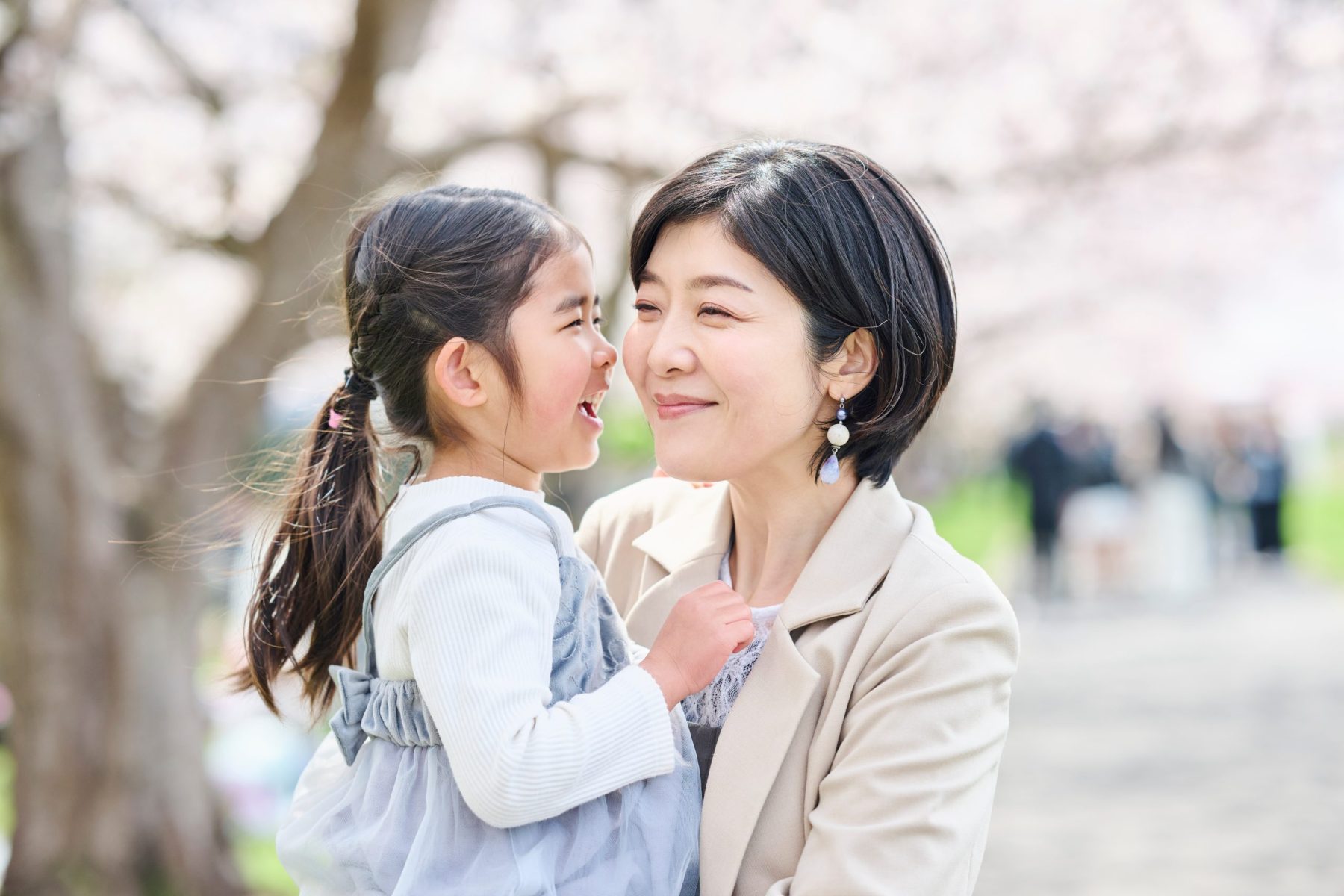 Emotional Support for Parents and Children
- Supporting Your Child: Reassure them, maintain routines, and consider therapy if needed.
- Managing Your Own Emotions: Practice self-care, seek support groups or therapy, and utilize GSJ Law’s resources.
- Avoiding Conflict in Front of Children: Refrain from negative talk about the co-parent to protect your child’s emotional well-being.
Financial Considerations in Custody Cases
- Child Support: Payments may be required to cover education, healthcare, and other expenses.
- Legal Costs: GSJ Law works efficiently to manage the costs of custody disputes.
- Budgeting for New Routines: Consider expenses related to joint custody, such as transportation or dual households.
How GSJ Law Can Help
At GSJ Law, we are committed to helping parents navigate child custody with compassion and expertise. If you’re facing a custody issue, don’t wait to seek guidance. Contact GSJ Law at (216) 771-1144 today for a consultation. Let us help you chart a path forward with confidence and clarity.

David Jansky is a Partner and Attorney at Law at Gioffre Schroeder & Jansky Co., L.P.A where he brings over 17 years of legal experience to individuals and families across Northeast Ohio. A graduate of the University of Akron School of Law, David focuses his practice on family law including divorce, dissolution, child custody, and support as well as criminal defense, probate matters, civil litigation, personal injury, bankruptcy, and employment law.



Have Any Questions?
If you need legal services throughout the Cleveland and Northeast Ohio area, contact the experienced attorneys at Gioffre & Schroeder. Our goal is to handle your case efficiently and in a manner that results in full compensation.
 CALL AN OHIO ATTORNEY