Auto insurance is a critical safeguard for drivers, protecting you financially in the event of an accident, theft, or other unexpected incidents. However, not all policies are created equal, and having inadequate coverage can leave you vulnerable to significant financial and legal risks. At GSJ Law, we’ve seen firsthand how insufficient insurance can complicate recovery after an accident, leading to costly out-of-pocket expenses or legal disputes. We’ll explore what constitutes adequate auto insurance coverage, common coverage gaps, legal requirements, and practical steps to ensure you’re properly protected on the road.
 Understanding Auto Insurance Coverage
Auto insurance policies are designed to provide financial protection in various scenarios, but understanding the components of your policy is key to determining if you’re adequately covered. Most policies include several types of coverage, each serving a specific purpose:
- Liability Coverage: Covers damages or injuries you cause to others in an at-fault accident.
- Collision Coverage: Pays for repairs to your vehicle after a collision.
- Comprehensive Coverage: Covers non-collision incidents such as theft or natural disasters.
- Uninsured/Underinsured Motorist Coverage (UM/UIM): Protects if you’re hit by an uninsured or underinsured driver.
- Medical Payments (MedPay) or Personal Injury Protection (PIP): Covers medical expenses for you and passengers, regardless of fault.
- Additional Coverages: Optional add-ons like roadside assistance or gap insurance.
At GSJ Law, we often work with clients who discover too late that their coverage was inadequate for their needs. Understanding these components empowers you to evaluate your policy and make informed adjustments.
Are You Meeting Legal Requirements?
Every state has minimum auto insurance requirements, typically centered around liability coverage. For example, a common minimum might be expressed as 25/50/25, meaning:
- $25,000 for bodily injury per person
- $50,000 for bodily injury per accident
- $25,000 for property damage per accident
However, these minimums are often insufficient to cover the full cost of serious accidents. At GSJ Law, we recommend reviewing your state’s requirements and considering coverage that exceeds the minimum to better protect your assets and peace of mind.
Common Coverage Gaps and Risks
- Relying on State Minimums: Medical bills, vehicle repairs, and legal fees can quickly surpass state minimums.
- Skipping Uninsured/Underinsured Motorist Coverage: About 1 in 8 drivers in the U.S. is uninsured.
- Neglecting Comprehensive and Collision Coverage: Older vehicle owners may opt out and risk high out-of-pocket expenses.
- Inadequate Medical Coverage: Lacking sufficient MedPay or PIP can result in major medical expenses.
- Failing to Account for Special Circumstances: Driving for work, using rideshare services, or having a teenage driver may require specialized coverage.
At GSJ Law, our attorneys can help you assess your policy and identify gaps that could jeopardize your financial security after an accident.
How to Evaluate Your Auto Insurance Coverage
- Review Your Current Policy: Read the declarations page carefully and consult an agent or attorney if needed.
- Assess Your Assets and Risks: Evaluate your income, savings, and lifestyle to determine appropriate coverage.
- Compare Quotes: Shop from multiple providers and compare protections, not just price.
- Consider Your Vehicle’s Value: Weigh the benefits of comprehensive and collision coverage.
- Consult a Professional: Attorneys can help navigate disputes and maximize recovery.
Legal Implications of Inadequate Coverage
Inadequate auto insurance can lead to major legal and financial consequences. If liability limits are too low, the other party may sue for the difference. Without UM/UIM, you may be unable to recover compensation if the other driver lacks coverage. Failing to carry required insurance may result in penalties, fines, or license suspension. At GSJ Law, we represent clients in complex insurance disputes and bad faith claims to secure fair compensation.
Tips for Maintaining Adequate Coverage
- Update Your Policy Regularly: Life changes require policy adjustments.

- Bundle Policies: Save money by combining auto with home or renters insurance.
- Ask About Discounts: Safe driving and anti-theft devices may qualify for savings.
- Work with an Attorney After an Accident: Legal help ensures fair settlement and full compensation.

How GSJ Law Can Help
If you’re unsure whether your auto insurance provides adequate coverage or need assistance after an accident, contact GSJ Law today for a free consultation. Let us help you drive with confidence, knowing you’re protected.

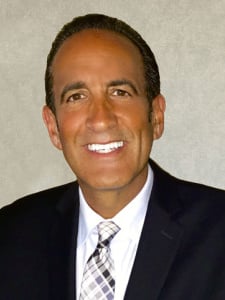
David Jansky is a Partner and Attorney at Law at Gioffre Schroeder & Jansky Co., L.P.A where he brings over 17 years of legal experience to individuals and families across Northeast Ohio. A graduate of the University of Akron School of Law, David focuses his practice on family law including divorce, dissolution, child custody, and support as well as criminal defense, probate matters, civil litigation, personal injury, bankruptcy, and employment law.


Have Any Questions?
If you need legal services throughout the Cleveland and Northeast Ohio area, contact the experienced attorneys at Gioffre & Schroeder. Our goal is to handle your case efficiently and in a manner that results in full compensation.
 CALL AN OHIO ATTORNEY