Entrusting a loved one’s care to a nursing home is a deeply personal decision, often made with the expectation that they will receive compassionate, professional care. Unfortunately, nursing home negligence can shatter that trust, leading to physical, emotional, and financial harm. At GSJ Law, we are committed to helping families recognize the signs of negligence, understand their legal rights, and take action to protect their loved ones.
What Is Nursing Home Negligence?
 Nursing home negligence occurs when a facility fails to provide the standard of care required to ensure the safety and well-being of its residents. Unlike abuse, which involves intentional harm, negligence often stems from carelessness, understaffing, or inadequate training. However, the consequences can be just as devastating, leading to injuries, illness, or even death.
Negligence can manifest in various forms, including:
- Medical Negligence: Failure to provide timely medical care, administer medications correctly, or monitor health conditions.
- Neglect of Basic Needs: Inadequate provision of food, water, hygiene, or assistance with daily activities like bathing or mobility.
- Environmental Hazards: Unsafe living conditions, such as unclean facilities, fall risks, or lack of supervision.
- Emotional Neglect: Ignoring residents’ emotional or social needs, leading to isolation or psychological distress.
At GSJ Law, we understand how distressing it is to suspect that a loved one is suffering due to negligence. Our experienced attorneys are here to help you navigate these challenges and hold negligent facilities accountable.
Recognizing the Signs of Nursing Home Negligence
Identifying negligence can be difficult, especially since many residents may be unable to communicate their experiences due to physical or cognitive limitations. Families must remain vigilant and look for warning signs. Here are some common indicators of nursing home negligence:
Physical Signs
- Unexplained injuries, such as bruises, cuts, or fractures.
- Bedsores (pressure ulcers), which can develop from prolonged immobility or lack of repositioning.
- Sudden weight loss or signs of malnutrition and dehydration.
- Poor personal hygiene, such as unwashed hair, dirty clothing, or untreated infections.
Emotional and Behavioral Changes
- Withdrawal, depression, or anxiety, which may indicate emotional neglect or isolation.
- Fearfulness or agitation around staff members or during visits.
- Unexplained changes in personality or mood.
Environmental Red Flags
- Unsanitary living conditions, such as dirty bedding or unclean common areas.
- Lack of adequate staff to assist residents.
- Hazardous conditions, such as cluttered walkways or broken equipment.
If you notice any of these signs, it’s crucial to act quickly. Document your observations, take photos if appropriate, and discuss your concerns with the facility’s administration. If the issues persist or are severe, consulting an attorney at GSJ Law can help you explore your legal options.
The Impact of Nursing Home Negligence
The consequences of nursing home negligence can be profound, affecting residents, their families, and their quality of life. Physically, negligence can lead to serious health complications, such as infections, worsening chronic conditions, or permanent injuries. Emotionally, residents may experience feelings of abandonment, fear, or loss of dignity. For families, discovering that a loved one has been neglected can lead to guilt, anger, and a sense of betrayal.
Financially, negligence can result in significant costs, including medical bills for treating injuries or illnesses caused by neglect, or the need to relocate a loved one to a safer facility. At GSJ Law, we work tirelessly to help families recover compensation for these damages, ensuring they have the resources to move forward.
Legal Rights and Responsibilities
Nursing homes have a legal duty to provide a standard of care that meets state and federal regulations. When they fail to do so, families have the right to hold them accountable. Understanding your legal options is a critical step in addressing nursing home negligence.
Federal and State Regulations
In the United States, nursing homes that receive Medicare or Medicaid funding must comply with regulations outlined in the Nursing Home Reform Act of 1987. These regulations include requirements for adequate staffing, resident safety, and quality of care. Additionally, each state has its own laws governing nursing home operations. Violations of these standards can serve as evidence of negligence in a legal case.
Types of Legal Claims
- Negligence: Proving that the facility failed to provide reasonable care, resulting in harm.
- Medical Malpractice: Demonstrating that medical care provided by the facility’s staff fell below accepted standards.
- Wrongful Death: Pursuing a claim if negligence contributed to a resident’s death.
At GSJ Law, our attorneys specialize in nursing home negligence cases, helping families build strong claims to seek justice and compensation.
Gathering Evidence
- Medical records documenting injuries or health declines.
- Photos of injuries, bedsores, or unsafe conditions.
- Witness statements from staff, other residents, or visitors.
- Documentation of complaints made to the facility and their responses.
Our team at GSJ Law can guide you through the process of collecting evidence and navigating the legal system to ensure your case is as strong as possible.
 Steps to Take If You Suspect Negligence
 Steps to Take If You Suspect Negligence
- Document Your Concerns: Keep detailed notes and take photos if possible.
- Communicate with the Facility: Address concerns and keep records of all communications.
- Report to Authorities: File a complaint if the facility does not resolve the issue.
- Consult an Attorney: Seek legal support from GSJ Law for case evaluation and representation.
- Consider Relocating Your Loved One: If necessary, move them to a safer environment.
Preventing Nursing Home Negligence
- Research Facilities Thoroughly: Review reports, ratings, and licenses.
- Visit Regularly: Observe care and conditions during visits.
- Build Relationships with Staff: Foster communication and accountability.
- Advocate for Your Loved One: Encourage communication and voice concerns.
How GSJ Law Can Help
At GSJ Law, we are dedicated to protecting the rights and well-being of nursing home residents. Our experienced attorneys have a deep understanding of nursing home negligence laws and a proven track record of holding facilities accountable. We provide compassionate, personalized legal support to help families seek justice and recover compensation for medical expenses, pain and suffering, and other damages.
If you suspect nursing home negligence, don’t wait to take action. Contact GSJ Law today for a free consultation. Let us help you ensure your loved one receives the care and respect they deserve.
Moving Forward with Confidence
Nursing home negligence is a serious issue, but with the right knowledge and support, families can take steps to protect their loved ones and seek justice. At GSJ Law, we’re here to guide you every step of the way, helping you secure a brighter, safer future for your loved one.

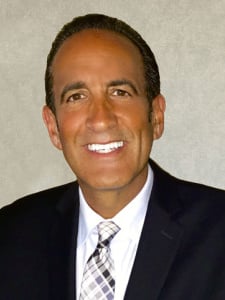
David Jansky is a Partner and Attorney at Law at Gioffre Schroeder & Jansky Co., L.P.A where he brings over 17 years of legal experience to individuals and families across Northeast Ohio. A graduate of the University of Akron School of Law, David focuses his practice on family law including divorce, dissolution, child custody, and support as well as criminal defense, probate matters, civil litigation, personal injury, bankruptcy, and employment law.


Have Any Questions?
If you need legal services throughout the Cleveland and Northeast Ohio area, contact the experienced attorneys at Gioffre & Schroeder. Our goal is to handle your case efficiently and in a manner that results in full compensation.
 CALL AN OHIO ATTORNEY