
Bed sores, also known as pressure ulcers or pressure injuries, can be a serious warning sign that a nursing home resident or long-term care patient is not receiving the attention and care they need. While some residents may be at higher risk because of limited mobility, illness, age, or other medical conditions, bed sores often raise important questions about whether proper prevention, monitoring, and treatment were provided.
 Understanding Bed Sores and Why They Matter
Bed sores typically form in areas where pressure is placed on the skin for extended periods. Common locations include the hips, tailbone, heels, elbows, ankles, and shoulders. Residents who are confined to a bed or wheelchair may be especially vulnerable.
In many care settings, staff should be aware of residents who are at risk. Preventive steps may include repositioning, skin checks, proper hygiene, nutrition support, hydration, pressure-relieving devices, and timely medical attention. When these steps are missed or delayed, a resident’s condition may worsen.
A bed sore does not automatically mean neglect occurred. However, it may be a reason to look more closely at the care being provided, especially if the wound is severe, recurring, infected, or was not reported to the family in a timely manner.
Ohio Law: Residents Have Rights
Ohio nursing home residents have rights related to safety, dignity, appropriate care, and freedom from neglect. Families should not feel that they must accept unexplained injuries, poor communication, or a lack of basic care as normal.
When a loved one develops a bed sore, families may have questions such as:
- Was the resident being repositioned regularly?
- Were staff members checking the resident’s skin?
- Was the wound documented and treated promptly?
- Was the family notified when the sore was discovered?
- Did the facility follow the resident’s care plan?
- Were there enough trained staff members available to meet the resident’s needs?
An attorney can help review these issues and determine whether the facility’s conduct should be investigated further.
How Attorneys Investigate Bed Sore Concerns
One of the most important ways attorneys help bed sore victims is by gathering and reviewing information. Families often do not have access to the full picture on their own. A nursing home or care facility may provide limited explanations, and medical records may be difficult to understand without experience reviewing them.
An attorney may help by examining records such as care plans, nursing notes, wound assessments, repositioning logs, medication records, nutrition records, hospital records, and internal facility documentation. These records may help show when the sore began, how it progressed, what treatment was provided, and whether staff responded appropriately.
Attorneys may also look for patterns in the resident’s care. For example, they may review whether staff documented regular turning and repositioning, whether changes in the resident’s skin were reported, and whether the facility followed physician orders or wound care instructions.
Helping Families Communicate With Facilities
Families are often placed in a difficult position when they suspect neglect. They may want answers but may not know what to ask or how to get clear information. An attorney can help families organize their concerns, request relevant documents, and communicate with the facility in a way that protects the resident’s interests.
This can be especially important when a resident is still living in the facility. Families may be worried about retaliation, continued neglect, or delays in care. Legal guidance can help families focus on the resident’s immediate safety while also preserving important information.
Identifying Possible Neglect
Bed sore cases often involve more than the wound itself. An attorney may evaluate whether the resident’s condition was connected to broader care issues, such as understaffing, poor supervision, lack of proper training, failure to follow a care plan, delayed medical treatment, inadequate hygiene, dehydration, malnutrition, or failure to communicate changes in condition.
In Ohio, neglect in a long-term care setting may involve a failure to provide necessary care or services needed to protect a resident’s health or safety. When a facility fails to meet basic care obligations, a vulnerable resident may suffer preventable harm.
Attorneys help connect the evidence to the legal issues. They review what happened, compare it with the care that should have been provided, and determine whether the facility or others may be responsible.
Protecting Evidence Before It Disappears
In bed sore matters, timing can be important. Wounds change over time, records may be updated, and memories may fade. Families can help by taking notes, saving communications, writing down names of staff members they spoke with, and keeping track of dates and changes in the resident’s condition.
Photographs of the wound, when appropriate and respectful of the resident’s dignity, may also help document what the family observed. Medical records from hospitals, wound care providers, or other treating professionals may provide additional information about the seriousness of the injury.
An attorney can help preserve relevant evidence and advise families on what information may be important.
 Supporting the Resident and Family
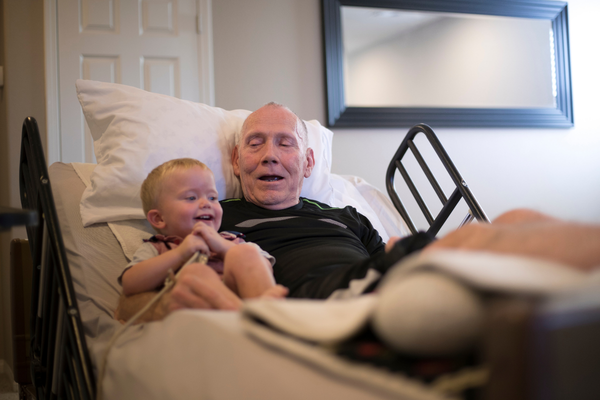 Supporting the Resident and Family
Bed sore injuries can be painful, frightening, and emotionally overwhelming. Families may feel guilt, anger, confusion, or uncertainty about what to do next. Attorneys help by giving families a clearer understanding of the process and by handling legal issues so the family can focus on the resident’s care and well-being.
Legal support may include investigating the cause of the wound, communicating with the facility or insurance representatives, reviewing medical documentation, identifying responsible parties, and explaining potential legal options under Ohio law.
When to Speak With an Attorney
Families may want to speak with an attorney if a loved one has developed a serious bed sore in an Ohio nursing home, assisted living facility, hospital, or other care setting. This is especially important when the sore was not promptly reported, became infected, required hospitalization, appeared alongside other signs of neglect, or occurred after repeated concerns about care were ignored.
Prompt legal guidance can help families understand whether the injury may have been preventable and what steps may be available to protect the resident’s rights.
Gioffre Schroeder & Jansky Co., L.P.A. Can Help Ohio Families Understand Their Options
Bed sores can be a sign that a vulnerable resident’s needs were not properly met. When families suspect neglect, they deserve answers. Gioffre Schroeder & Jansky Co., L.P.A. helps individuals and families in Ohio understand their rights, evaluate concerns about care, and take appropriate steps when a loved one has been harmed. If your loved one developed a bed sore in a care facility, speaking with an attorney can help you better understand what happened and what options may be available under Ohio law.
FAQs
1. What are bed sores?
Bed sores, also called pressure ulcers or pressure injuries, are wounds that can develop when prolonged pressure reduces blood flow to the skin. They commonly appear on areas such as the heels, hips, tailbone, elbows, ankles, and shoulders.
2. Are bed sores always a sign of neglect?
Not always. Some individuals are more vulnerable to bed sores because of age, illness, limited mobility, or other medical conditions. However, bed sores may raise concerns about neglect if they are severe, untreated, recurring, infected, or not properly reported to the family.
3. Why do bed sores happen in nursing homes?
Bed sores may happen when a resident is not repositioned regularly, does not receive proper skin checks, has poor hygiene, or is not receiving adequate nutrition or hydration. They may also develop when staff fail to follow a resident’s care plan.
4. What should families do if they discover a bed sore?
Families should make sure the resident receives medical attention, ask the facility for an explanation, document what they observe, and request relevant care information. It may also be helpful to speak with an attorney if there are concerns about neglect.
5. How can an attorney help after a loved one develops a bed sore?
An attorney can review medical records, care plans, wound documentation, facility notes, and other information to determine whether the injury may have been preventable. They can also help families understand their rights under Ohio law.
6. What records may be important in a bed sore matter?
Important records may include nursing notes, repositioning logs, wound care records, physician orders, medication records, nutrition and hydration records, photographs, hospital records, and communication between the family and facility.
7. Can bed sores become serious?
Yes. Without proper care, bed sores can worsen and may lead to infection, pain, tissue damage, hospitalization, or other medical complications. Prompt treatment is important.
8. What are common warning signs of nursing home neglect?
Possible warning signs may include unexplained injuries, poor hygiene, sudden weight loss, dehydration, repeated infections, untreated wounds, changes in mood, lack of communication from staff, or delays in medical care.
9. Can families in Ohio take action if they suspect neglect?
Yes. Families in Ohio may be able to report concerns, request records, seek medical evaluation, and speak with an attorney about possible legal options. An attorney can help determine what steps may be appropriate based on the circumstances.
10. When should I contact an attorney about a bed sore?
You may want to contact an attorney if the bed sore is serious, infected, worsening, unexplained, or was not promptly treated or reported. Legal guidance can help families understand whether neglect may have contributed to the injury.

David Jansky is a Partner and Attorney at Law at Gioffre Schroeder & Jansky Co., L.P.A where he brings over 17 years of legal experience to individuals and families across Northeast Ohio. A graduate of the University of Akron School of Law, David focuses his practice on family law including divorce, dissolution, child custody, and support as well as criminal defense, probate matters, civil litigation, personal injury, bankruptcy, and employment law.



Have Any Questions?
If you need legal services throughout the Cleveland and Northeast Ohio area, contact the experienced attorneys at Gioffre & Schroeder. Our goal is to handle your case efficiently and in a manner that results in full compensation.
 CALL AN OHIO ATTORNEY