
Car accidents can happen unexpectedly, and when they do, determining what actually occurred is not always straightforward. In many cases, accident claims come down to conflicting accounts, limited physical evidence, and witness statements that may not fully capture the event. As technology advances, more drivers are turning to dashcams to document their time on the road. These small recording devices can play a significant role in how car accident claims are evaluated in Ohio.
For individuals seeking guidance from a law firm like Gioffre Schroeder & Jansky, understanding how dashcams may influence a claim can help clarify the claims process and provide insight into how evidence is gathered and used.
What Is a Dashcam?
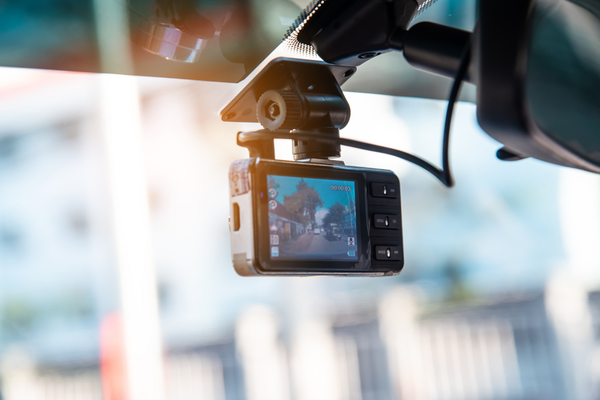 A dashcam, or dashboard camera, is a compact video recording device mounted inside a vehicle. It continuously records footage while the vehicle is in operation. Most dashcams are positioned on the windshield or dashboard and capture the road ahead, though some models include rear-facing or interior cameras.
Modern dashcams may include features such as:
- Loop recording (automatically overwriting older footage)
- High-definition video capture
- GPS tracking
- Timestamping
- Motion detection
These features can make dashcams a valuable tool for documenting driving conditions and incidents in real time.
Why Dashcams Matter in Car Accident Claims
In Ohio, car accident claims often rely on evidence to establish what happened, who was at fault, and the extent of damages. Dashcam footage can contribute to this process by providing a visual record of events leading up to and during an accident.
Objective Documentation
One of the most important aspects of dashcam footage is that it offers an objective account. Unlike human memory, which can be influenced by stress or bias, a video recording captures events as they occurred. This can be particularly helpful when there are conflicting statements between drivers.
Supporting Evidence
Dashcam footage can support other forms of evidence, such as:
- Police reports
- Photographs of the scene
- Witness statements
- Vehicle damage assessments
When used together, these elements can help create a clearer picture of the accident.
Ohio Laws and Dashcam Use
Dashcams are generally legal to use in Ohio, but there are some considerations drivers should keep in mind.
Mounting Restrictions
Drivers must ensure that the device does not obstruct their view of the road. A dashcam should be mounted in a way that allows for safe and unobstructed driving.
Audio Recording Considerations
Some dashcams record audio in addition to video. Ohio is considered a one-party consent state under Ohio Wiretapping Law, meaning that at least one person involved in the conversation must consent to the recording. If audio is being recorded inside the vehicle, drivers should be aware of this requirement.
How Dashcam Footage May Be Used in Claims
Dashcam footage can play several roles in the claims process, depending on the circumstances of the accident.
Insurance Claims
Insurance companies may review dashcam footage when evaluating a claim. The footage can help adjusters:
- Verify the sequence of events
- Assess liability
- Identify contributing factors
While insurance companies consider many types of evidence, video footage can sometimes provide clarity that written reports cannot.
Legal Proceedings
If a car accident claim leads to a legal dispute, dashcam footage may be presented as evidence. Courts typically evaluate whether the footage is:
- Relevant to the case
- Authentic and unaltered
- Legally obtained
An experienced attorney can help determine how dashcam footage fits into a broader legal strategy.
Benefits of Using a Dashcam
Many drivers choose to install dashcams not only for accident documentation but also for general peace of mind.
Increased Transparency
Knowing that a drive is being recorded can provide a sense of security. In the event of an accident, drivers may feel more confident that there is an accurate record of what happened.
Protection Against False Claims
Dashcam footage can help address situations where there are disagreements about the cause of an accident. While it does not automatically determine fault, it can provide valuable context.
Documentation of Road Conditions
In some cases, environmental factors such as weather, road hazards, or visibility issues may contribute to an accident. Dashcams can capture these details as they occur.
Limitations of Dashcam Footage
While dashcams can be helpful, they are not without limitations. It is important to understand that dashcam footage is just one piece of evidence.
Limited Field of View
Most dashcams only capture what is directly in front of (or behind) the vehicle. They may not record events occurring outside of that range, such as side impacts or actions by other drivers outside the frame.
Video Quality
The usefulness of dashcam footage depends on its quality. Poor resolution, low lighting, or obstructed views can make it difficult to interpret what happened.
Interpretation of Events
Even with clear footage, interpretation can vary. Factors such as speed, distance, and timing may still require analysis alongside other evidence.
Best Practices for Using a Dashcam
For drivers considering a dashcam, there are several best practices to keep in mind.
Proper Installation
Ensure that the dashcam is securely mounted and does not obstruct the driver’s view. Proper placement helps maintain safety and ensures clear footage.
Regular Maintenance
Check the device periodically to ensure it is functioning correctly. This includes verifying that:
- The camera is recording
- The memory card has sufficient space
- The lens is clean
Preserving Footage
If an accident occurs, it is important to preserve the relevant footage. Many dashcams use loop recording, which means older footage may be overwritten. Saving the video promptly can help prevent loss of important evidence.
 The Role of an Automobile Accident Lawyer in Ohio
 The Role of an Automobile Accident Lawyer in Ohio
While dashcam footage can be valuable, navigating a car accident claim often involves more than just reviewing video evidence. Legal considerations, insurance policies, and procedural requirements all play a role in the outcome of a claim.
Working with a law firm like our team at Gioffre Schroeder & Jansky can help individuals understand how different types of evidence, including dashcam footage, may be used in their case. Our legal professionals can assist with:
- Evaluating evidence
- Communicating with insurance companies
- Understanding Ohio’s legal framework for accident claims
Dashcams and the Future of Accident Documentation
As dashcams become more widely used, they are likely to continue shaping how car accident claims are handled. Advances in technology may lead to improved video quality, expanded recording capabilities, and integration with other vehicle systems.
However, even as technology evolves, the fundamental principles of accident claims remain the same: establishing facts, determining responsibility, and evaluating evidence within the framework of the law.
Automobile Accident Lawyer in Ohio
For more information about car accident claims and legal support, visit our services at Gioffre Schroeder & Jansky or give us a call at (216) 771-1144!
10 FAQs About Dashcams in Ohio Car Accident Claims
1. Are dashcams legal to use in Ohio?
Yes, dashcams are generally legal in Ohio as long as they are installed in a way that does not obstruct the driver’s view of the road.
2. Can dashcam footage be used as evidence in a car accident claim?
Dashcam footage may be used as evidence if it is relevant, authentic, and legally obtained. It can help support other forms of evidence in a claim.
3. Do dashcams automatically prove who is at fault in an accident?
No, dashcam footage does not automatically determine fault. It is one piece of evidence that may be considered along with other factors.
4. What type of information can a dashcam capture during an accident?
Dashcams can capture video of road conditions, traffic signals, driver behavior, and the sequence of events leading up to an accident.
5. Can insurance companies use dashcam footage when reviewing a claim?
Yes, insurance companies may review dashcam footage to help understand how an accident occurred and assess liability.
6. Is audio recording on dashcams allowed in Ohio?
Ohio follows a one-party consent rule, meaning at least one person involved in the conversation must consent to being recorded.
7. What should you do with dashcam footage after an accident?
It is important to save and preserve the footage as soon as possible to prevent it from being overwritten by the device’s loop recording feature.
8. Are there limitations to dashcam footage in accident claims?
Yes, limitations can include restricted camera angles, poor video quality, and the inability to capture all aspects of an accident.
9. Can dashcam footage replace other types of evidence?
No, dashcam footage typically complements other evidence such as police reports, witness statements, and photographs.
10. Should you consult a lawyer if you have dashcam footage of an accident?
Yes, consulting a lawyer can help you understand how the footage may be used and how it fits into your overall claim.

David Jansky is a Partner and Attorney at Law at Gioffre Schroeder & Jansky Co., L.P.A where he brings over 17 years of legal experience to individuals and families across Northeast Ohio. A graduate of the University of Akron School of Law, David focuses his practice on family law including divorce, dissolution, child custody, and support as well as criminal defense, probate matters, civil litigation, personal injury, bankruptcy, and employment law.



Have Any Questions?
If you need legal services throughout the Cleveland and Northeast Ohio area, contact the experienced attorneys at Gioffre & Schroeder. Our goal is to handle your case efficiently and in a manner that results in full compensation.
 CALL AN OHIO ATTORNEY