As our population ages, elder law has become an increasingly vital field, addressing the unique legal needs of seniors and their families. Elder law encompasses a broad range of issues, from estate planning and long-term care to protecting against abuse and navigating government benefits. At GSJ Law, we specialize in helping older adults and their loved ones plan for the future, resolve disputes, and safeguard their rights. Whether you’re an aging individual preparing for retirement or a family member caring for an elderly relative, understanding elder law is essential for ensuring dignity, security, and peace of mind.
What Is Elder Law?
 Elder law is a specialized area of legal practice focused on the issues affecting older adults, typically those aged 65 and above. Unlike general estate planning or family law, elder law takes a holistic approach, considering the physical, financial, and emotional challenges of aging. It aims to protect seniors’ rights, preserve their assets, and ensure access to necessary care and benefits.
The field emerged in the late 20th century in response to the growing elderly population and complexities in healthcare, social services, and financial planning. Today, elder law attorneys like those at GSJ Law help clients navigate federal and state laws, including the Older Americans Act, Medicare statutes, and Medicaid regulations. Common goals include minimizing taxes, avoiding probate, planning for incapacity, and preventing elder abuse. With the U.S. Census Bureau projecting that by 2030, one in five Americans will be 65 or older, elder law is more relevant than ever.
Key Areas of Elder Law
Elder law covers a wide spectrum of topics. Below, we break down the most critical areas to help you understand how they apply to real-life situations.
Estate Planning and Asset Protection
Estate planning is a cornerstone of elder law, ensuring that your assets are distributed according to your wishes after death or incapacity. This includes drafting wills, trusts, powers of attorney, and advance healthcare directives. For seniors, asset protection is crucial to shield savings from high long-term care costs, which can exceed $100,000 annually for nursing homes.
At GSJ Law, we often recommend revocable living trusts to avoid probate and irrevocable trusts for Medicaid eligibility. Recent trends emphasize digital asset management, such as cryptocurrencies, online accounts, and social media profiles, which must be included in estate plans to prevent access issues for heirs.
Long-Term Care Planning
Planning for long-term care (LTC) involves preparing for potential needs like assisted living, nursing homes, or in-home care. Medicare covers limited LTC, so many rely on Medicaid, private insurance, or personal savings. Elder law attorneys help clients qualify for Medicaid without depleting assets, using strategies like spousal impoverishment protections or five-year look-back periods for asset transfers.
In 2025, there’s an increased focus on LTC regulations, including changes to assisted living contracts that limit arbitration provisions and enhance resident rights. Families should also consider hybrid LTC insurance policies that combine life insurance with care benefits for greater flexibility.
Guardianship and Conservatorship
When an elderly person becomes incapacitated due to dementia, stroke, or other conditions, a guardianship (for personal decisions) or conservatorship (for financial matters) may be necessary. These court-appointed roles ensure the individual’s needs are met but can be restrictive and costly.
Elder law prioritizes alternatives like durable powers of attorney to avoid court involvement. If guardianship is required, GSJ Law assists in petitions, ensuring the process respects the senior’s autonomy while providing protection.
Medicare, Medicaid, and Government Benefits
Navigating government programs is a major aspect of elder law. Medicare provides health coverage for seniors but has gaps in dental, vision, and LTC. Medicaid, a needs-based program, covers more comprehensive care but requires meeting income and asset thresholds.
As of 2025, Medicaid expansion in several states has broadened eligibility, reducing the “Medicaid gap” for low-income seniors. Elder law attorneys help with appeals for denied benefits, Supplemental Security Income (SSI), and Veterans Affairs (VA) aid. We also advise on Medicare Advantage plans, which now include more telehealth and wellness benefits post-COVID.
Elder Abuse and Exploitation Protection
Elder abuse—physical, emotional, financial, or neglect— affects millions annually. Elder law includes advocating for victims through Adult Protective Services, restraining orders, or civil lawsuits. Financial exploitation, such as scams or undue influence in wills, is rising with digital threats like phishing.
In 2025, new tools for protecting seniors from financial abuse include enhanced state reporting requirements and federal initiatives under the Elder Justice Act. GSJ Law helps families detect abuse, recover assets, and pursue legal remedies.
Social Security and Retirement Benefits
Elder law addresses optimizing Social Security benefits, pension rights, and retirement accounts. Strategies include delaying claims for higher payouts or coordinating spousal benefits. For disabled seniors, Supplemental Security Income (SSI) provides additional support.
Recent case law trends emphasize protecting retirement assets from creditors, and with inflation adjustments in 2025, Social Security benefits have increased by about 2.5%, offering modest relief.
Housing and Age Discrimination
Seniors may need specialized housing like continuing care retirement communities (CCRCs) or assisted living. Elder law ensures compliance with fair housing laws and reviews contracts for hidden fees.
Advocacy for long-term care residents is critical in 2025, with national efforts to repel attacks on facility regulations, ensuring better staffing and resident rights amid ongoing post-pandemic reforms.
Recent Developments in Elder Law (As of August 2025)
Elder law evolves rapidly with legislative changes, court decisions, and societal shifts. Key updates include:
- Digital Asset Integration: With the rise of cryptocurrencies and online estates, 2025 estate planning laws in states like California and Texas now require explicit provisions for digital assets, addressing inheritance of NFTs, email accounts, and social media.<grok:render card_id=”5d1837″ card_type=”citation_card” type=”render_inline_citation”>
This prevents disputes and ensures seamless transfer.
- Medicaid and LTC Reforms: Medicaid expansions in additional states have improved access, while changes to assisted living contracts prohibit mandatory arbitration in disputes, empowering residents.<grok:render card_id=”d6953f” card_type=”citation_card” type=”render_inline_citation”>
Federal advocacy focuses on protecting nursing home standards against deregulation threats.<grok:render card_id=”8cd70f” card_type=”citation_card” type=”render_inline_citation”>
- Financial Abuse Protections: New legislation enhances reporting and penalties for elder financial exploitation, including AI-driven scam detection tools.<grok:render card_id=”5ebd5b” card_type=”citation_card” type=”render_inline_citation”>
- Estate and Inheritance Law Changes: Adjustments to state estate taxes and inheritance rules, plus stagnation in proposed federal regulations, affect high-net-worth seniors.<grok:render card_id=”b9f142″ card_type=”citation_card” type=”render_inline_citation”>
Conferences like the 2025 Estate Planning, Guardianship, and Elder Law event highlight these trends.<grok:render card_id=”393b90″ card_type=”citation_card” type=”render_inline_citation”>
At GSJ Law, we stay abreast of these developments to provide up-to-date advice.
How to Choose an Elder Law Attorney
Selecting the right attorney is crucial. Look for certification from the National Elder Law Foundation (NELF), experience in your state’s laws, and a client-centered approach. Ask about fees, success rates in appeals, and familiarity with local resources like Area Agencies on Aging.
 How GSJ Law Can Help
 How GSJ Law Can Help
At GSJ Law, our elder law attorneys offer compassionate, personalized services, from drafting estate plans to advocating in abuse cases. We provide free consultations to assess your needs and develop tailored strategies. Whether you’re planning ahead or facing an urgent issue, we’re here to protect your rights and secure your legacy.
Contact GSJ Law today to schedule a consultation and take the first step toward comprehensive elder law protection.
Empowering Seniors Through Elder Law
Elder law is about more than legal documents—it’s about preserving quality of life, dignity, and family harmony. By understanding these key areas and staying informed on developments, you can make proactive decisions that benefit you and your loved ones. Contact GSJ Law; we’re committed to guiding you through every stage of aging with expertise and empathy.

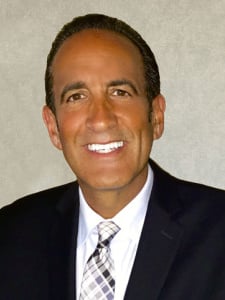
David Jansky is a Partner and Attorney at Law at Gioffre Schroeder & Jansky Co., L.P.A where he brings over 17 years of legal experience to individuals and families across Northeast Ohio. A graduate of the University of Akron School of Law, David focuses his practice on family law including divorce, dissolution, child custody, and support as well as criminal defense, probate matters, civil litigation, personal injury, bankruptcy, and employment law.


Have Any Questions?
If you need legal services throughout the Cleveland and Northeast Ohio area, contact the experienced attorneys at Gioffre & Schroeder. Our goal is to handle your case efficiently and in a manner that results in full compensation.
 CALL AN OHIO ATTORNEY