
The holiday season often changes the way people travel throughout Ohio. Thanksgiving gatherings, family visits, shopping trips, and other seasonal plans can put drivers on unfamiliar roads or keep them behind the wheel for longer periods. November can also bring changing weather and shorter daylight hours. These circumstances do not mean that a collision will occur, but they can create conditions that require additional attention from motorists. Understanding factors associated with holiday car accidents in Ohio can help drivers prepare for seasonal travel and understand what may matter if a collision occurs.
Why Holiday Travel Can Change Driving Conditions

Holiday travel can differ from an ordinary commute. Some motorists travel longer distances, leave at different times of day, or drive routes they do not regularly use. Highways and local roads may also carry motorists traveling to family gatherings, airports, shopping areas, and other destinations.
Changing traffic patterns can make it especially important to leave enough following distance, pay attention to surrounding vehicles, and allow adequate time for a trip. A driver who is rushing or unfamiliar with an area may have less time to react to congestion, exits, intersections, or sudden changes in traffic.
Drivers preparing for November trips should also remember that a collision can require immediate decisions. Knowing the appropriate steps after a Cleveland car accident before traveling can make it easier to understand what information may be important following a crash.
Shorter Days Can Affect November Driving
By November, daylight hours are considerably shorter than during the summer. Many drivers may leave work, attend gatherings, or return from trips after sunset.
Reduced visibility can make pedestrians, road markings, vehicles, and other potential hazards more difficult to see. Headlight glare and changing light around sunrise or sunset may also affect visibility.
Drivers can prepare by checking headlights and other vehicle lights before longer trips. Windshields and mirrors should provide a clear view, and motorists may need to reduce speed when visibility is limited.
These conditions are particularly relevant during holiday travel because a driver who is accustomed to traveling during daylight may find that part of a longer trip occurs after dark.
November Weather Can Change Road Conditions
Ohio weather can vary considerably during November. Rain, falling temperatures, frost, and occasionally wintry conditions may affect roads depending on the location and weather pattern.
Drivers should adjust their behavior to the conditions they encounter rather than assuming a familiar route will provide the same driving environment every day. Wet or slippery pavement may require more stopping distance, while poor visibility may make it harder to recognize hazards ahead.
Weather can also become important after a collision. Photographs or other documentation showing the roadway and environmental conditions can help preserve details about what was happening at the time of the crash. Keeping a record of those details is part of documenting a Cuyahoga County car accident when evidence may later be needed to understand how the collision occurred.
Longer Trips May Lead to Driver Fatigue
Thanksgiving and other holiday plans can involve long drives or travel outside a person’s normal schedule. Fatigue can affect attention, reaction time, and decision-making behind the wheel.
Drivers preparing for a longer trip can plan enough time for breaks and avoid creating a schedule that depends on driving for extended periods without rest. A driver who notices significant tiredness should recognize that continuing to drive may create additional risk.
Holiday plans can sometimes encourage people to push through fatigue because they want to arrive at a particular time. Building additional travel time into the schedule can reduce the pressure to continue driving when rest would be appropriate.
Distraction Can Become a Holiday Travel Concern
Distracted driving is not limited to mobile phone use. Navigation systems, conversations, food, changing music, and searching for an unfamiliar destination can all divert attention from the roadway.
Holiday travel may involve several of these distractions at once. A motorist might be following directions while communicating with relatives about an arrival time or looking for an unfamiliar driveway or parking area.
Drivers can reduce unnecessary distractions by entering destinations before leaving, placing phones where they will not demand attention, and allowing passengers to handle navigation when possible.
What Happens When a Holiday Collision Occurs?
A crash during Thanksgiving travel is still evaluated according to the facts surrounding the collision. The fact that an accident happened during a holiday does not itself determine who was responsible.
Evidence may include photographs, witness information, vehicle damage, traffic conditions, medical records, police documentation, and other information relevant to the collision. Ohio’s comparative-fault rules can also affect recovery when more than one person contributed to an injury. Under Ohio Revised Code § 2315.33, a claimant’s compensatory damages can be reduced according to the claimant’s percentage of tortious conduct, and recovery is barred when the claimant’s share is greater than the combined share of the other persons from whom recovery is sought.
For unusual situations in which another motorist leaves the scene, understanding hit-and-run cases in Ohio can also help clarify why identifying available evidence and insurance coverage may become particularly important.
Medical Documentation May Matter After an Injury
Some collisions result in injuries that require immediate medical attention, while other symptoms may not be fully understood at the scene.
Medical records can become relevant when an injured person makes a claim related to a collision. Records may help document the nature of an injury, when symptoms were evaluated, and what treatment was provided.
It is generally useful to keep medical records, bills, insurance communications, and other documents connected with the collision organized. These materials can help establish a clearer record of what occurred after the accident.
Insurance Claims After Holiday Car Accidents in Ohio
Insurance issues can arise after any vehicle collision, including one that occurs while traveling for Thanksgiving or another holiday event.
Drivers should review their own policies to understand applicable coverage and reporting requirements. Depending on the circumstances, an insurance company may request information about the collision, vehicle damage, injuries, police reports, or other evidence.
Disagreement can arise over fault, the extent of an injury, the relationship between claimed losses and the collision, or the amount of covered damage. Because insurance policies and accident circumstances differ, the claim process is not identical in every case.
Keeping copies of correspondence and recording important claim information can make it easier to follow what has occurred throughout the process.
Preparing for November Travel
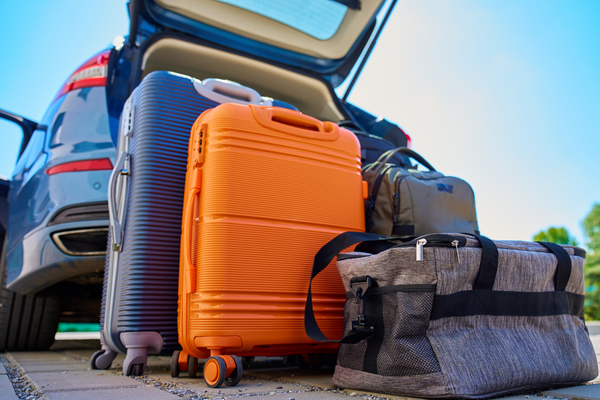
Drivers cannot control every action taken by other motorists, but preparation can reduce avoidable problems. Before leaving for a longer holiday trip, motorists can check the weather, plan the route, allow additional travel time, and make sure the vehicle is ready for changing conditions.
Once on the road, maintaining attention, adjusting speed to conditions, leaving adequate following distance, and stopping when tired can support safer travel.
If a collision does happen, safety and medical needs should take priority. When circumstances allow, preserving relevant information from the scene can also help establish what occurred.
Contact Gioffre Schroeder & Jansky
If you were injured in a car accident in Ohio and have questions about your circumstances, Gioffre Schroeder & Jansky Co., L.P.A. can discuss the situation with you. Call (216) 771-1144 or contact Gioffre Schroeder & Jansky to learn more about your options.
Common Questions About Holiday Car Accidents in Ohio
1. What should I do after a holiday car accident in Ohio?
First address immediate safety and medical concerns. Depending on the circumstances, contacting law enforcement, exchanging required information, photographing the scene, obtaining witness information, and notifying the appropriate insurer may also be important. The specific steps will depend on the severity and circumstances of the collision.
2. Does bad weather automatically make a driver responsible for a crash?
No. Weather alone does not automatically establish liability. Responsibility depends on the facts surrounding the collision, including the conduct of the drivers and other relevant circumstances. Weather and road conditions can nevertheless be important evidence when determining how a collision happened.
3. What evidence should I preserve after a holiday car accident?
Useful records may include photographs of the vehicles and scene, witness contact information, police documentation, insurance communications, medical records, repair information, and notes about road, traffic, lighting, and weather conditions.
4. Can more than one driver be responsible for an Ohio car accident?
Yes. Ohio law allows responsibility to be allocated among parties. Under Ohio’s comparative-fault framework, a claimant’s percentage of responsibility can affect the amount recoverable and, above the statutory threshold, can prevent recovery.
5. Should I report a minor holiday collision to my insurance company?
Insurance policies contain their own reporting requirements, so drivers should review the terms of their coverage. Even when vehicle damage initially appears limited, keeping accurate information about the collision can be important if additional damage, injuries, or disagreements emerge.
6. What if I notice an injury after leaving the accident scene?
Some symptoms may become apparent after a collision. A person concerned about an injury should seek appropriate medical evaluation. Medical documentation may also become relevant if the injury later becomes part of an insurance claim or legal dispute.
7. Can nighttime driving affect a car accident claim?
Lighting and visibility may be relevant when evaluating how a crash happened. Evidence concerning darkness, street lighting, headlights, weather, road design, and what each driver could reasonably observe may all contribute to understanding the circumstances.
8. What happens if the other driver leaves the scene?
A hit-and-run can create additional challenges because the responsible vehicle or driver may initially be unidentified. Reporting the crash, preserving available evidence, identifying witnesses, and reviewing applicable insurance coverage may become especially important.
9. Can passengers injured during holiday travel make an injury claim?
An injured passenger may have potential avenues for seeking compensation depending on who caused the collision and what insurance coverage applies. The available options depend on the facts of the crash, the parties involved, and applicable policies.
10. When should someone speak with an attorney after an Ohio car accident?
Someone may choose to speak with an attorney when injuries are involved, responsibility is disputed, insurance issues arise, or there are questions about available legal options. An attorney can review the specific circumstances rather than relying on general information about accident claims.

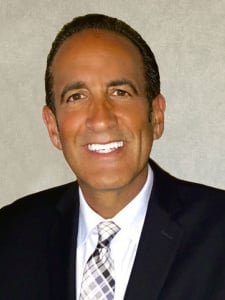
David Jansky is a Partner and Attorney at Law at Gioffre Schroeder & Jansky Co., L.P.A where he brings over 17 years of legal experience to individuals and families across Northeast Ohio. A graduate of the University of Akron School of Law, David focuses his practice on family law including divorce, dissolution, child custody, and support as well as criminal defense, probate matters, civil litigation, personal injury, bankruptcy, and employment law.


Have Any Questions?
If you need legal services throughout the Cleveland and Northeast Ohio area, contact the experienced attorneys at Gioffre & Schroeder. Our goal is to handle your case efficiently and in a manner that results in full compensation.
 CALL AN OHIO ATTORNEY