
September brings school buses back to Ohio roads, more children walking near intersections, and heavier traffic around schools. It also includes Child Passenger Safety Week, observed September 20–26 in 2026, which encourages parents and caregivers to pay closer attention to how children travel safely.
Even with increased awareness, children can be injured while riding a school bus, entering or exiting one, waiting at a designated stop, or walking through a school zone. Determining who may be legally responsible is not always straightforward. Liability can depend on who caused the accident, whether the bus was publicly or privately operated, and whether governmental immunity applies.
An Ohio school bus accident lawyer can examine these factors, identify applicable deadlines, and explain the options available to a child’s parent or guardian. The information below is general and should not be treated as legal advice for a particular accident.
Who Pays If My Child Is Hit at a Bus Stop?
The responsible driver’s automobile insurer may pay if negligence caused the accident. Depending on the circumstances, liability may also involve a school district, bus operator, private transportation contractor, or another entity responsible for the stop or route. Governmental immunity and special deadlines may affect claims involving public schools.
Bus stop accidents may occur when a driver fails to stop for an activated school bus signal, speeds through the area, drives while distracted, or fails to yield to a child. However, responsibility cannot be determined solely from the fact that the accident occurred near a bus.
 Investigators may need to establish where the child was standing, whether the bus had stopped, whether its lights and stop arm were activated, and whether the driver had enough time and distance to respond. Bus camera recordings, nearby surveillance footage, witness statements, police reports, roadway markings, and vehicle data may all become important evidence.
When a child is struck by a privately owned vehicle, the claim may proceed primarily through the negligent driver’s insurance coverage. When an uninsured or underinsured driver is involved, available coverage under a household automobile policy may also need to be reviewed.
Can I Sue an Ohio School District?
Possibly. Ohio school districts generally receive governmental immunity, but that protection is not absolute. Ohio law recognizes exceptions, including certain injuries caused by an employee’s negligent operation of a motor vehicle within the scope of employment. The usual deadline may be two years, but shorter claim or notice requirements may apply.
Ohio Revised Code Chapter 2744 provides political subdivisions, including public school districts, with broad protection from civil liability. Courts apply a multi-step analysis that begins with immunity, examines statutory exceptions, and then considers whether another defense restores immunity.
One significant exception concerns injuries caused by the negligent operation of a motor vehicle by a political subdivision employee acting within the scope of employment. This means governmental immunity does not automatically prevent every claim arising from a public school bus collision. Nevertheless, additional defenses may apply, and the particular conduct involved must be evaluated.
Ohio Revised Code § 2744.04 generally requires an action against a political subdivision to be brought within two years after the claim accrues, unless another applicable Ohio statute provides a shorter period. Parents should not assume that they can safely wait two years. Insurance policies, transportation contracts, administrative procedures, or claims against additional parties may involve earlier notice or preservation requirements.
When May a School Bus Driver or District Be Responsible?
Potential liability may arise when a school bus driver fails to use reasonable care while transporting, loading, or unloading students. Relevant conduct may include unsafe turning, distracted driving, excessive speed for road conditions, improper lane changes, or failure to follow required loading and unloading procedures.
A district’s potential responsibility may also depend on whether the driver was an employee acting within the course of employment. Public school transportation is considered a governmental function under Ohio law, which is why the immunity analysis is central to these cases.
The school district may not be the bus operator in every situation. Some schools use private transportation contractors, charter buses, or other third-party providers. When a private company supplies the driver or vehicle, the contract, employment relationship, insurance coverage, maintenance responsibilities, and control over the route may affect liability.
When Is Another Driver Responsible for a School Bus Accident?
Another motorist may be responsible when careless driving causes a collision with a bus or endangers children entering or leaving it. Potential negligence can include passing a stopped school bus unlawfully, following too closely, driving while distracted, failing to maintain a lane, or ignoring school-zone traffic controls.
The presence of a school bus does not automatically make the bus driver or school district liable. A collision may be caused primarily or entirely by another driver. In accidents involving several vehicles or overlapping mistakes, Ohio’s comparative-negligence rules may also affect how responsibility is allocated.
An investigation should therefore consider every involved driver rather than focusing only on the largest vehicle or the school district.
 Who May Be Liable for a School Zone Pedestrian Accident?
 Who May Be Liable for a School Zone Pedestrian Accident?
School zone accidents can involve drivers, public entities, private property owners, crossing-guard employers, or contractors, depending on what caused the child’s injury. A driver may be responsible for speeding, failing to yield, disregarding a crossing guard, or driving inattentively.
Claims involving traffic signals, crosswalks, signs, roadway maintenance, or physical conditions can be more complicated. Responsibility may depend on which government body controlled the roadway and whether a specific exception to governmental immunity applies.
A crossing guard’s involvement does not automatically establish school district liability. The guard may work for a school, city, police department, or private organization. The employer, assigned duties, location of the collision, and conduct leading to the injury must all be identified.
Student Zone Accidents: Early Legal Review Can Matter
We provide general information and is not legal advice. If your child was injured on a school bus, at a bus stop, or in an Ohio school zone, contact Gioffre Schroeder & Jansky Co., L.P.A. at (216) 771-1144 to discuss the circumstances and learn more about the legal options that may apply.
Frequently Asked Questions
1. What should I do immediately after my child is injured in a school bus accident?
Seek appropriate medical care first, then preserve as much information as possible about the accident. Parents may want to photograph the scene, save medical records, collect witness contact information, and request the police report. It may also be important to identify the school district, bus operator, driver, and any other vehicles involved before evidence such as video footage or electronic records is lost.
2. Who may be responsible if a child is injured while getting on or off a school bus?
Liability may involve the bus driver, school district, private transportation company, another motorist, or more than one party. The answer generally depends on how the accident occurred, whether required loading procedures were followed, and whether the child was injured by the bus or another vehicle. Claims involving a public school may also be affected by Ohio governmental immunity laws.
3. Is an Ohio school district automatically liable for a school bus accident?
No, an Ohio school district is not automatically liable simply because one of its buses was involved. Public school districts generally have governmental immunity, although Ohio law recognizes certain exceptions, including some claims involving the negligent operation of a motor vehicle. Whether an exception applies depends on the facts, the driver’s employment status, and the legal defenses available to the district.
4. How long do parents have to file a claim after an Ohio school bus accident?
The deadline depends on who may be responsible and which Ohio laws apply. Claims against a political subdivision may generally be subject to a two-year filing period, but other claims, insurance policies, contracts, or administrative procedures may involve shorter deadlines or notice requirements. Parents should not assume that every potentially responsible party is governed by the same deadline.
5. Can another driver be liable for passing a stopped school bus?
Yes, another driver may be liable if unlawfully passing a stopped school bus or other negligent conduct causes a child’s injuries. Relevant factors may include whether the bus lights and stop arm were activated, where the child was located, and whether the driver was speeding, distracted, or failed to yield. A traffic citation can be important evidence, but it does not independently resolve every civil liability question.
6. What evidence can help establish fault in a school bus or school zone accident?
Useful evidence may include bus camera footage, school surveillance video, police reports, witness statements, photographs, vehicle data, driver records, and bus inspection or maintenance documents. Some electronic recordings may be overwritten after a limited period. Promptly identifying the entities that control this evidence may make it easier to request that relevant records be preserved.
7. Can a private school bus company be held responsible for a child’s injuries?
A private school bus company may be responsible when its driver’s negligence or another company-related issue contributes to an accident. Questions may involve the driver’s employment, training, supervision, scheduling, vehicle maintenance, and compliance with transportation requirements. A private contractor may be subject to different liability rules than a public school district, so the operating agreement and insurance coverage may require review.
8. Who may be liable if defective bus equipment caused the accident?
A bus operator, maintenance provider, contractor, vehicle owner, or component manufacturer may be involved when defective equipment contributes to an accident. Liability may depend on whether the problem resulted from poor maintenance, a missed inspection, an improper repair, or a defective product. Maintenance logs, inspection records, repair invoices, and preserved vehicle components may be needed to determine how the failure occurred.
9. Can parents make a claim if a child is injured in a school zone but no bus is involved?
Yes, a claim may still be possible when a child is injured while walking or crossing near a school. Depending on the circumstances, responsibility may involve a negligent driver, crossing-guard employer, public entity, contractor, or property owner. Claims involving signs, traffic signals, crosswalks, or roadway conditions may require determining which agency controlled and maintained the area.
10. When should parents contact a school bus accident lawyer in Ohio?
Parents may consider contacting a school bus accident lawyer in Ohio soon after the child’s immediate medical needs are addressed. Early legal review can help identify potentially responsible parties, applicable immunity rules, insurance coverage, and filing deadlines. It may also support timely preservation of video recordings, transportation records, vehicle evidence, and other information that could become unavailable.

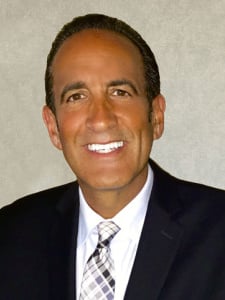
David Jansky is a Partner and Attorney at Law at Gioffre Schroeder & Jansky Co., L.P.A where he brings over 17 years of legal experience to individuals and families across Northeast Ohio. A graduate of the University of Akron School of Law, David focuses his practice on family law including divorce, dissolution, child custody, and support as well as criminal defense, probate matters, civil litigation, personal injury, bankruptcy, and employment law.


Have Any Questions?
If you need legal services throughout the Cleveland and Northeast Ohio area, contact the experienced attorneys at Gioffre & Schroeder. Our goal is to handle your case efficiently and in a manner that results in full compensation.
 CALL AN OHIO ATTORNEY