
Choosing a divorce lawyer is an important decision. Divorce can affect property, finances, parenting arrangements, support, communication, and long-term family stability. For someone in Cuyahoga County, the right attorney should not only understand Ohio divorce law but also be familiar with the local domestic relations court process, required filings, deadlines, and the practical issues that can arise during a divorce.
Finding a divorce lawyer does not have to mean choosing the first name that appears online. It means taking time to understand what type of legal help is needed, what questions to ask, and what qualities may matter most for the situation. While no attorney can guarantee a specific outcome, a thoughtful search can help someone feel more prepared before moving forward.
Understand What Type of Divorce Help You Need
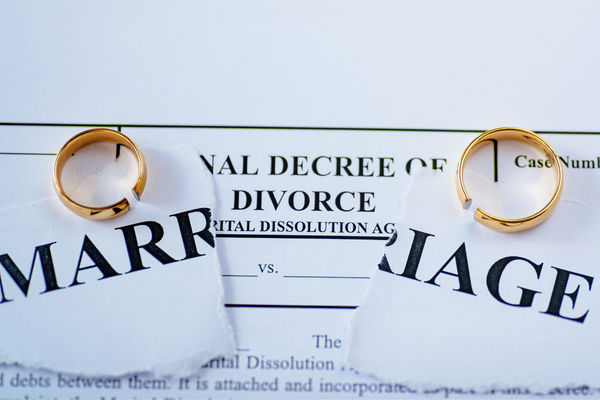 Before searching for a divorce lawyer in Cuyahoga County, it helps to understand the type of legal matter involved. In Ohio, spouses may end a marriage through divorce or dissolution, depending on whether they agree on all required terms. The Cuyahoga County Domestic Relations Court explains that dissolution requires the spouses to agree on all aspects of property division, parenting, and support before filing.
A divorce may be necessary when spouses do not agree on one or more issues, such as property division, parental rights and responsibilities, support, or the terms of separation. The Supreme Court of Ohio also provides resources explaining termination of marriage issues, including divorce and dissolution procedures.
Understanding whether the matter is likely to be contested, cooperative, or still uncertain can help guide the search for an attorney. Some people need help negotiating an agreement. Others may need representation in court. Some may need advice before deciding whether dissolution, divorce, mediation, or another legal path makes sense.
Look for Experience With Ohio Family Law
Divorce is a specific area of law. A lawyer who handles family law matters regularly may be better prepared to address the legal and practical issues that often come up during divorce. These issues may include marital property, separate property, debt division, spousal support, child support, parenting time, decision-making responsibilities, retirement accounts, real estate, and court orders.
When researching a divorce lawyer, review whether the attorney or firm handles divorce and family law matters in Ohio. It may also help to look for information about related services, such as dissolution, custody, support, mediation, or post-decree matters. Divorce can involve several connected legal issues, so experience with the broader family law process may be valuable.
It is also useful to consider whether the lawyer can explain legal concepts clearly. A divorce attorney should be able to discuss the process in a way that helps the client understand what is happening, what documents may be needed, and what decisions may come next.
Consider Local Court Familiarity
Divorce and dissolution cases in Cuyahoga County are handled through the Cuyahoga County Domestic Relations Court. The court provides information on divorce and dissolutions, court forms, e-filing, parenting services, domestic violence protection orders, and resources for people representing themselves.
A lawyer who regularly handles cases in Cuyahoga County may be familiar with local procedures, court expectations, filing requirements, scheduling practices, and common steps in the domestic relations process. Local familiarity does not guarantee a result, but it can help the attorney guide the client through the correct process more efficiently and accurately.
For clients, this can be especially helpful when there are questions about where to file, what forms may be involved, how hearings are scheduled, or how the court handles parenting and support-related issues.
Review the Lawyer’s Communication Style
Communication is one of the most important parts of the attorney-client relationship. Divorce often involves sensitive and time-sensitive decisions. A client should feel comfortable asking questions, sharing concerns, and discussing private information honestly.
When evaluating a divorce lawyer, pay attention to how the lawyer communicates. Does the lawyer explain things clearly? Does the lawyer listen carefully? Does the lawyer answer questions directly? Does the lawyer help identify the next step? Clear communication can help reduce confusion during a process that may already feel stressful.
It is also important to understand how the law office communicates with clients. Some communication may happen by phone, email, online portal, or scheduled appointment. Knowing how updates are provided can help prevent frustration later.
Ask About the Lawyer’s Approach to Divorce
Different divorce cases require different approaches. Some matters may benefit from negotiation and cooperative problem-solving. Others may require stronger litigation strategy when the parties disagree or when court intervention is needed. A good divorce lawyer should be able to discuss the possible approaches without promising a specific outcome.
Questions to ask may include:
What steps usually happen at the beginning of a divorce case?
How are contested issues typically handled?
What information should I gather before moving forward?
How do you approach settlement discussions?
How do you prepare when court hearings are necessary?
What should I avoid doing during the divorce process?
The goal is not to hear a guaranteed answer. The goal is to understand how the attorney thinks, communicates, and prepares.
Make Sure the Lawyer Explains Divorce Versus Dissolution
Someone searching for a divorce lawyer in Cuyahoga County may not yet know whether they need a divorce or dissolution. In Ohio, dissolution generally requires agreement before filing, while divorce may involve disputed issues. The Ohio Revised Code includes provisions addressing divorce, dissolution, legal separation, and related domestic relations matters under Chapter 3105.
A lawyer should be able to explain the difference between these options in plain language. If spouses agree on all required terms, dissolution may be discussed. If they do not agree, divorce may be more appropriate. If circumstances change, there may also be legal procedures for converting certain actions, depending on the situation and applicable law.
Because each family situation is different, it is important to get legal advice based on the actual facts rather than assumptions.
Prepare Before the Consultation
Before speaking with a divorce lawyer, it helps to gather basic information. This may include the date of marriage, names and ages of children, employment information, household income details, property information, debts, bank accounts, retirement accounts, mortgage information, and any existing court orders.
It may also help to write down the main concerns. Some people are most worried about parenting time. Others are concerned about the house, support, debt, retirement savings, or communication with the other spouse. Having a list can make the consultation more productive.
Being honest is essential. A lawyer can usually give better guidance when the client provides complete and accurate information. Withholding details about finances, prior court cases, parenting issues, or existing agreements can make the legal process more difficult.
Pay Attention to Professionalism and Trust
Divorce involves personal information and major decisions. The attorney-client relationship should be built on professionalism, trust, and realistic guidance. A lawyer should not make promises about outcomes, pressure someone into decisions, or dismiss concerns without explanation.
A strong divorce lawyer should help the client understand the process, evaluate options, and make informed decisions. The lawyer’s role is not just to file paperwork. It is also to provide legal guidance, prepare documents, communicate with the other side when appropriate, represent the client’s interests, and help the client navigate court requirements.
Trust also means being willing to hear difficult information. A lawyer may need to explain risks, weaknesses, delays, or legal limitations. While that may not always be easy to hear, realistic advice is often more useful than overly confident promises.
Check Available Court Resources
Even when someone plans to hire an attorney, reviewing court resources can help them better understand the process. The Cuyahoga County Domestic Relations Court provides forms and information related to divorce, separation, parenting, support, judgment entries, and other domestic relations matters.
Court resources are not a replacement for legal advice. However, they can help someone become familiar with terms, forms, and court categories before meeting with an attorney. This can make the conversation more productive and help the person ask better questions.
Choose a Lawyer Who Matches the Needs of the Case
 The best divorce lawyer for one person may not be the right lawyer for another. Some cases require detailed financial analysis. Some require careful parenting discussions. Some require negotiation. Others may involve contested hearings or complex communication issues.
When choosing a divorce lawyer in Cuyahoga County, consider experience, communication, local court familiarity, approach, professionalism, and the ability to explain the process clearly. The decision should be based on the needs of the case and the level of guidance required.
Speak With a Cuyahoga County Divorce Lawyer
Finding a divorce lawyer is an important step for anyone considering divorce, dissolution, or another family law matter in Cuyahoga County. The right legal guidance can help clarify the process, identify important issues, and support informed decision-making.
Gioffre Schroeder & Jansky Co., L.P.A. works with individuals navigating divorce and family law matters in Ohio. To discuss your situation and learn more about possible next steps, contact Gioffre Schroeder & Jansky Co., L.P.A. at (216) 771-1144.
10 FAQs
1. How do I find a divorce lawyer in Cuyahoga County?
Start by looking for an attorney who handles Ohio family law matters, including divorce, dissolution, parenting issues, support, and property division. It can also help to choose someone familiar with the Cuyahoga County Domestic Relations Court process.
2. What should I look for in a divorce lawyer?
Look for experience with Ohio divorce matters, clear communication, professionalism, local court familiarity, and an approach that matches the needs of your case. A divorce lawyer should explain your options without promising a specific outcome.
3. Does a divorce lawyer need to be local to Cuyahoga County?
A lawyer does not necessarily have to be located in Cuyahoga County, but local court familiarity can be helpful. Divorce cases may involve county-specific procedures, filing requirements, scheduling practices, and court expectations.
4. What questions should I ask a divorce lawyer?
You may want to ask about the divorce process, how contested issues are handled, what documents you should gather, how communication works, and what steps may happen next based on your situation.
5. What is the difference between divorce and dissolution in Ohio?
In general, dissolution requires both spouses to agree on all required terms before filing. Divorce may be necessary when spouses do not agree on one or more issues, such as property division, parenting, support, or the decision to end the marriage.
6. Can a divorce lawyer help with parenting and custody issues?
Yes. Divorce lawyers who handle family law matters may assist with parental rights and responsibilities, parenting time, child support, and related court filings when those issues are part of the divorce process.
7. What should I prepare before meeting with a divorce lawyer?
It may help to gather information about your marriage, children, income, property, debts, bank accounts, retirement accounts, mortgage, and any existing court orders. You may also want to write down your main concerns before the consultation.
8. Can a divorce lawyer guarantee the result of my case?
No. A divorce lawyer should not guarantee a specific outcome. The result of a divorce depends on the facts, the law, the evidence, agreements between the spouses, and any decisions made by the court.
9. Should I review court resources before hiring a divorce lawyer?
Reviewing Cuyahoga County Domestic Relations Court resources can help you understand basic terms, forms, and court processes. However, court resources are not a substitute for legal advice from an attorney.
10. When should I contact a divorce lawyer?
It is often helpful to contact a divorce lawyer as early as possible if you are considering divorce, dissolution, or legal separation. Early guidance can help you understand your options, avoid mistakes, and prepare for the next steps.

David Jansky is a Partner and Attorney at Law at Gioffre Schroeder & Jansky Co., L.P.A where he brings over 17 years of legal experience to individuals and families across Northeast Ohio. A graduate of the University of Akron School of Law, David focuses his practice on family law including divorce, dissolution, child custody, and support as well as criminal defense, probate matters, civil litigation, personal injury, bankruptcy, and employment law.



Have Any Questions?
If you need legal services throughout the Cleveland and Northeast Ohio area, contact the experienced attorneys at Gioffre & Schroeder. Our goal is to handle your case efficiently and in a manner that results in full compensation.
 CALL AN OHIO ATTORNEY