
No one wants to think that their doctor could make a mistake, but unfortunately, it happens more often than you might think. Medical malpractice is when a medical professional harms a patient due to substandard care. This can be from an act, like performing surgery on the wrong body part, or from inaction, like failing to diagnose an illness. In other words, it’s when a doctor does something that falls outside of the norms of their profession and ends up harming their patient. Recognizing the signs of medical malpractice, understanding what you can do as a patient to avoid it, and knowing when to contact a medical malpractice attorney can help keep you safe and healthy.
Signs of Medical Malpractice
Recognizing the signs of medical malpractice is crucial for protecting your health. If you experience any of the following, it may be a sign that something has gone wrong in your care:
- Unexpected Complications or Injuries After Treatment: If you experience unusual or unexpected complications, infections, or injuries following a surgery or medical procedure, it could be due to medical malpractice. While some risks are part of any procedure, complications that arise from negligence or mistakes should raise red flags.
- Incorrect Medication or Dosage: Receiving the wrong medication or an incorrect dosage can cause serious health risks. This includes being prescribed the wrong drug, taking a dose that’s too high or too low, or being given a medication you’re allergic to.
- Misdiagnosis or Delayed Diagnosis: If your condition worsens because your doctor failed to diagnose it properly or delayed giving you a diagnosis, this can be a sign of medical malpractice. Missing important symptoms or not ordering necessary tests are common causes of this issue.
- Lack of Informed Consent: If a medical professional proceeds with treatment or surgery without fully explaining the risks, alternatives, or the nature of the procedure, this violates your right to informed consent. You should always be aware of and understand the risks before any procedure.
- Sudden, Unexplained Health Declines: A sudden and unexplained deterioration in your health after a medical visit, treatment, or surgery could be due to improper care. If your condition worsens unexpectedly, it’s essential to seek further medical advice and question the care you received.
- Lack of Compassion or Respect from Medical Staff: While not always directly linked to malpractice, a dismissive or indifferent attitude from your healthcare provider can be a warning sign. If you feel your concerns are being ignored or you’re not receiving adequate attention, it may signal deeper issues with your care.
If you encounter any of these signs, it’s important to ask questions and advocate for yourself. If concerns persist, consider seeking a second opinion or consulting a medical malpractice attorney to review your case.
Getting a Second Opinion
If you ever feel uncertain about your diagnosis or treatment plan, seeking a second opinion from another doctor can be a crucial step in safeguarding your health. Medical errors and misdiagnoses happen more often than we realize, and getting another professional’s perspective can provide valuable clarity. This is particularly important if your doctor recommends surgery or a more aggressive form of treatment. Studies show that as many as 20% of surgeries are deemed unnecessary, so if you feel uneasy about a procedure, don’t hesitate to get a second opinion.
A second opinion allows you to explore other potential treatment options and helps you feel more confident in your medical decisions. Another doctor may offer alternative, less invasive treatments or confirm the original diagnosis, giving you peace of mind. This extra step can also reveal potential errors in the initial evaluation, helping you avoid unnecessary procedures or medication.
Research Your Doctor
Before making any decisions about your care, it’s important to do some research on your doctor and make sure they’re qualified to treat you. You can start by looking up their credentials and making sure they have experience treating patients with your specific condition. You should also read reviews from other patients and see what their experience was like. Lastly, check with your insurance company to make sure they’re covered under your plan.
Be Your Own Advocate
When it comes to your health, you must take an active role and be your own advocate. Doctors are professionals, but they can make mistakes. If something doesn’t feel right, it’s important to speak up. Ask questions if you don’t understand your diagnosis or treatment plan. If a doctor recommends a procedure, make sure you know why it’s necessary and what risks are involved. Don’t hesitate to inquire about alternative options.
You should also never feel pressured into making a decision you’re uncomfortable with. If you’re unsure about a recommended treatment or surgery, ask for more time to think about it or seek a second opinion. This is especially important, as studies have shown that a significant percentage of surgeries may be unnecessary. Documenting your symptoms, treatments, and medications can help avoid confusion and ensure proper care. Keep track of everything discussed in appointments to avoid potential errors or miscommunication.
When to Contact a Medical Malpractice Attorney

If you suspect that you may have been the victim of medical malpractice, it’s important to seek legal help right away. This can be done by consulting with a medical malpractice attorney, who will review your case and help you determine the best course of action moving forward. Some possible steps that your lawyer might recommend include gathering evidence to support your case, filing a medical malpractice lawsuit against the doctor or medical facility in question, and seeking compensation for your injuries and other damages.
So if you think that you’ve been the victim of medical malpractice, don’t hesitate to speak up and take action. By working with an experienced medical malpractice attorney, you can get the support and guidance you need to ensure that your rights are protected and that you receive the compensation you deserve.
Gioffre Schroeder & Jansky Law
If you or a loved one have been a victim of medical malpractice in Ohio, contact the experienced medical malpractice attorneys at Gioffre Schroeder & Jansky Law. We’ll help you get the compensation you deserve for the injuries you’ve suffered. With a track record of success, we’re the right choice for your medical malpractice case. Contact us today to get started.

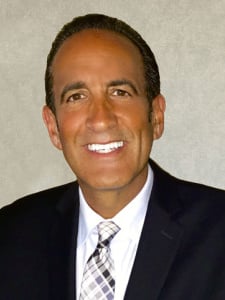
David Jansky is a Partner and Attorney at Law at Gioffre Schroeder & Jansky Co., L.P.A where he brings over 17 years of legal experience to individuals and families across Northeast Ohio. A graduate of the University of Akron School of Law, David focuses his practice on family law including divorce, dissolution, child custody, and support as well as criminal defense, probate matters, civil litigation, personal injury, bankruptcy, and employment law.


Have Any Questions?
If you need legal services throughout the Cleveland and Northeast Ohio area, contact the experienced attorneys at Gioffre & Schroeder. Our goal is to handle your case efficiently and in a manner that results in full compensation.
 CALL AN OHIO ATTORNEY